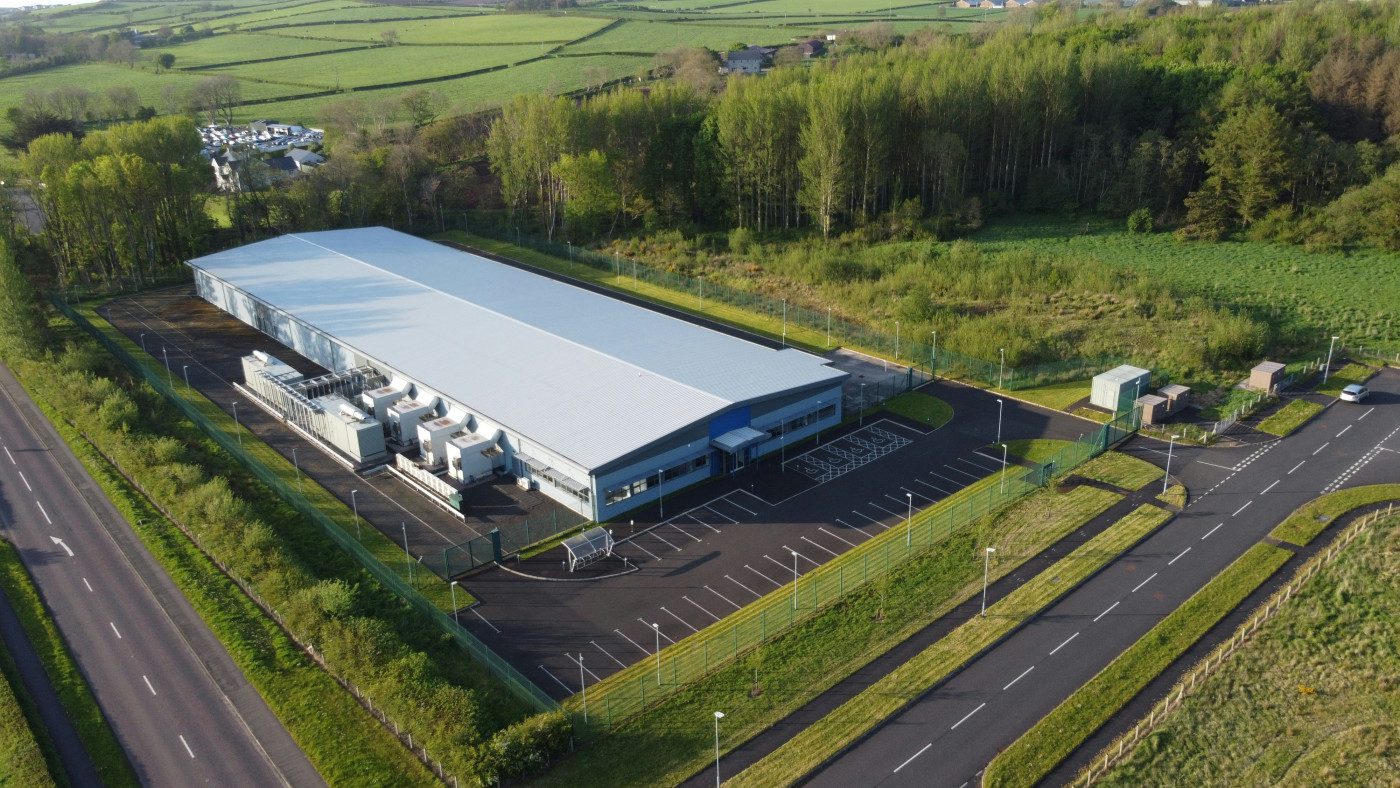
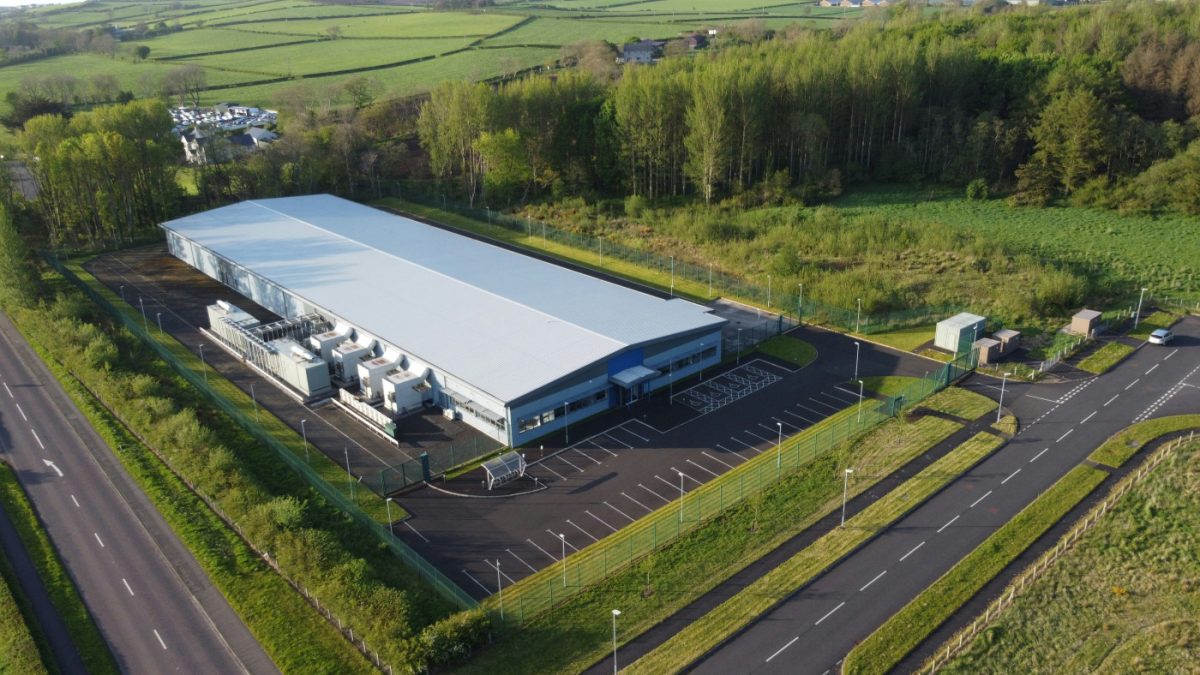
At our latest Constructing Excellence Climate Action Group session, we were delighted to welcome Tom Bassett from BRE to explore one of the most pressing – yet often misunderstood – challenges in the built environment: the sustainability of data centres, an increasingly critical area of concern for the built environment.
As digital demands escalate, the infrastructure required to support cloud computing, online services, and emerging AI technologies is growing rapidly. This session provided a structured overview of the sector, its environmental footprint, and the opportunities for the construction industry to contribute to more sustainable outcomes.
What Exactly Is a Data Centre?
Data centres are the beating heart of our digital infrastructure. They host the servers, storage systems and networking equipment that keep modern life running – from emails and online banking to AI-driven platforms.
But unlike traditional buildings, data centres are unique in their constant, high‑intensity demand for power and cooling. They are engineered to operate 24/7, meaning their environmental footprint is both substantial and continuous.
Why Data Centres Are Under the Sustainability Spotlight
Several statistics demonstrate why data centres are now a major focus for climate action:
- They currently consume 2.5% of the UK’s electricity, with demand projected to rise towards 10% in the coming years.
- In Ireland, that figure could reach a striking 30%.
- The UK now hosts around 500 data centres, most located in the South East.
- Combined capacity has reached 1.6GW, equivalent to the Dinorwig Power Station in Wales.
- Water consumption is substantial, with annual use ranging between 10–100 million litres, far higher than the ~16 million litres typical of a leisure centre.
These figures underscore the scale of the challenge and the urgency of integrating sustainable solutions into the design, construction and operation of these facilities.
The Central Challenge: Managing Resource Use
The session highlighted a growing tension: society’s increasing reliance on data‑intensive services versus the environmental impact of the infrastructure required to deliver them. Key sustainability considerations include:
- Energy consumption
- Cooling requirements
- Water use
- Land and grid capacity
- Embodied carbon in construction materials and equipment
With new centres being delivered at pace, the built environment has a pivotal role in shaping lower‑impact pathways.
Reducing Energy: Four Foundational Principles
Improving energy performance starts with four core approaches:
- Optimising cooling systems to reduce unnecessary load
- Selecting efficient hardware to minimise power draw
- Integrating smarter monitoring and controls
- Capturing and reusing waste heat or incorporating renewables
Design strategies such as hot aisle/cold aisle containment are already demonstrating how relatively simple spatial and airflow adjustments can dramatically increase cooling efficiency.
Future Outlook: Digital Infrastructure and Intelligent Optimisation
The session also considered the rapidly evolving role of artificial intelligence in the operation of data centres. As AI workloads increasingly drive demand for new capacity, the same technologies are being deployed to monitor, manage and optimise facility performance in real time. This shift towards self‑optimising infrastructure presents opportunities for enhanced efficiency and more responsive operational strategies across the lifecycle of data centre assets.
Get Involved
This session was held as part of the Constructing Excellence Climate Action group. To find out more about this group and their activities, visit the Climate Action page. Alternatively, find out about our other groups here or explore our upcoming events on the events page.