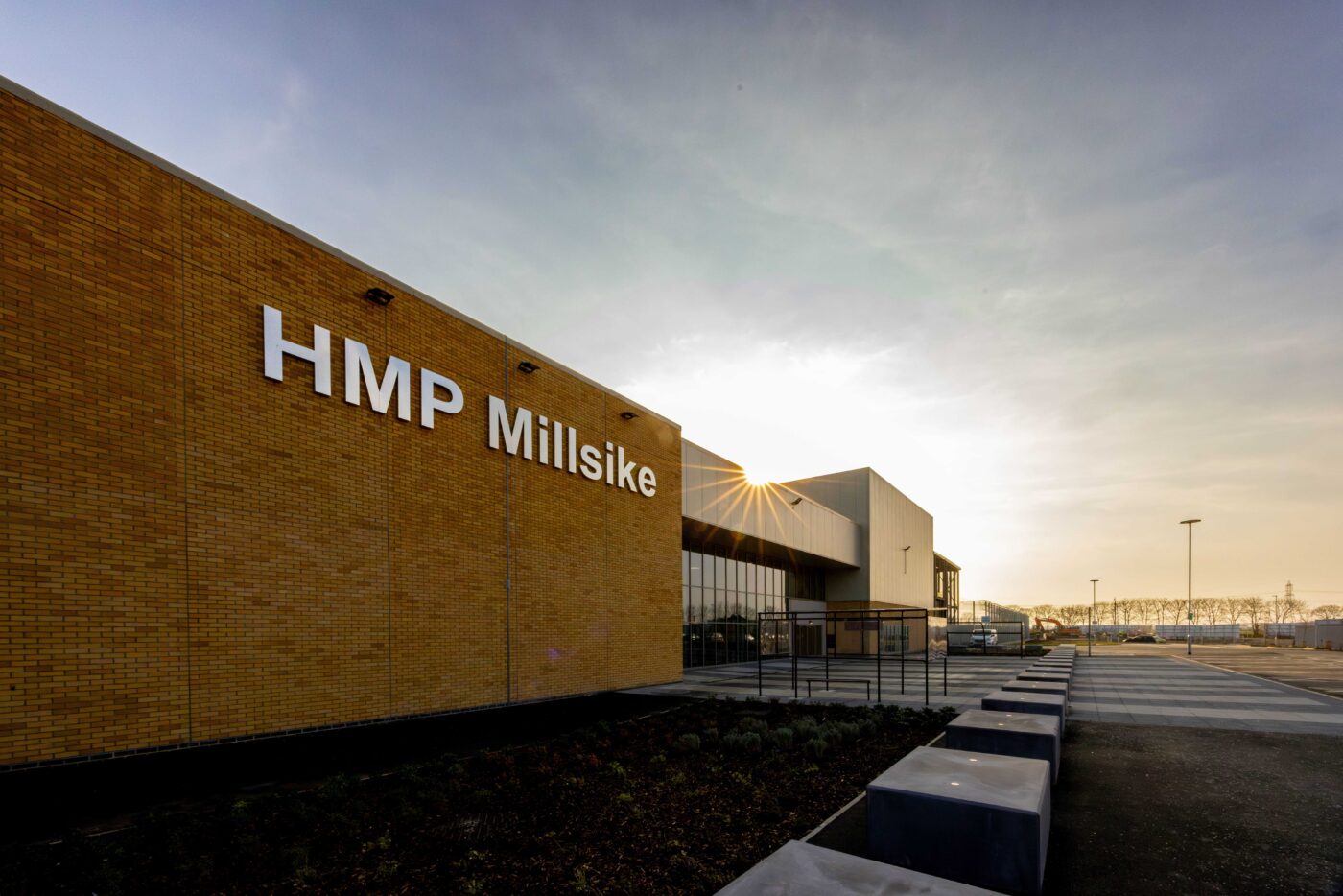
At a recent Constructing Excellence Digital Group session, members of the Kier team – James Franklin and Thomas Crossley – shared a compelling case study on digital implementation at HMP Millsike. Their presentation offered a candid and practical look at what it really takes to move beyond digital ambition and embed it into the day-to-day delivery of a major project.
With the industry continuing to explore how digital can unlock value, this session stood out for its focus on execution: not just what to do, but how to make it stick.
Why Digital Delivery Needed to Change
The starting point for Kier was clear: traditional approaches to digital delivery were not delivering the desired impact.
Historically, digital workflows were often:
- Treated as separate from core construction activities
- Visualised through standalone flowcharts
- Difficult to communicate, particularly for complex MEP systems with multiple interdependencies
This separation meant digital outputs lacked visibility within the main programme, limiting their influence and often reducing them to compliance exercises rather than value drivers.
At HMP Millsike, the team recognised that a fundamentally different approach was needed—one that embedded digital into the fabric of project delivery.
People First: Bringing the Whole Team Along
A central theme of the session was the importance of people in successful digital adoption. Rather than relying on a small group of digital specialists, Kier focused on:
- Widening engagement across disciplines
- Building understanding of digital requirements
- Creating shared ownership of outcomes
This shift ensured digital was not “something done in the corner,” but a collective responsibility embedded across the project team.
Integrating Digital into the Programme
One of the most significant breakthroughs came from integrating digital deliverables directly into the construction programme.
Instead of treating outputs such as COBie as a single line item, the team:
- Broke digital requirements into detailed, sequenced activities
- Mapped dependencies across design, procurement, and construction
- Embedded these tasks within the wider programme
This approach transformed digital from an abstract requirement into a series of tangible, manageable steps aligned with real-world delivery.
As highlighted in the session, this integration was a “huge win”—providing clarity, accountability, and alignment across the project.
Building a Robust Digital Programme
The initial Stage 4 digital programme provided a useful starting point, but it was only the beginning.
Kier developed this into a far more detailed Stage 5/6 programme, enabling:
- Greater definition of tasks and responsibilities
- Improved sequencing of digital activities
- Stronger alignment with construction milestones
This evolution reflects a broader lesson: digital planning must mature alongside project development, becoming more granular and integrated as delivery progresses.
Data Quality: The Foundation of Value
Another key focus was data quality—ensuring that information produced throughout the project is accurate, consistent, and usable.
Rather than treating data as a by-product, the team positioned it as a core deliverable, with processes designed to:
- Improve accuracy at source
- Reduce rework and inefficiencies
- Support downstream use, including asset management
This emphasis reinforces the idea that digital value is only realised when data is reliable and trusted.
Digital Twin and Information Management Opportunities
Looking ahead, the session also explored the opportunities around digital twins and information management.
By embedding strong data practices during delivery, projects like HMP Millsike create a foundation for:
- Enhanced operational insights
- Better asset performance
- Long-term value beyond handover
The discussion highlighted that digital twins are not a standalone solution, but the outcome of well-executed information management throughout the project lifecycle.
Key Takeaways for the Industry
The HMP Millsike case study offers several important lessons for the wider industry:
- Integration is critical: Digital must be embedded into core project processes, not treated as an add-on
- People drive success: Engagement and buy-in across the team are essential
- Detail matters: Breaking down digital requirements into clear, connected tasks enables delivery
- Data is a deliverable: Quality information underpins all digital value
- Progress is iterative: Digital programmes should evolve alongside project development
Kier’s experience at HMP Millsike demonstrates that while embedding digital is not easy, it is achievable—with the right focus on people, process, and integration.
The challenge for the industry now is to take these lessons and apply them consistently, ensuring digital delivery becomes the norm rather than the exception.
Get Involved
This session was held as part of the Constructing Excellence Digital group. To find out more about this group and their activities, visit the group’s page. Alternatively, find out about our other groups here or explore our upcoming events on the events page.