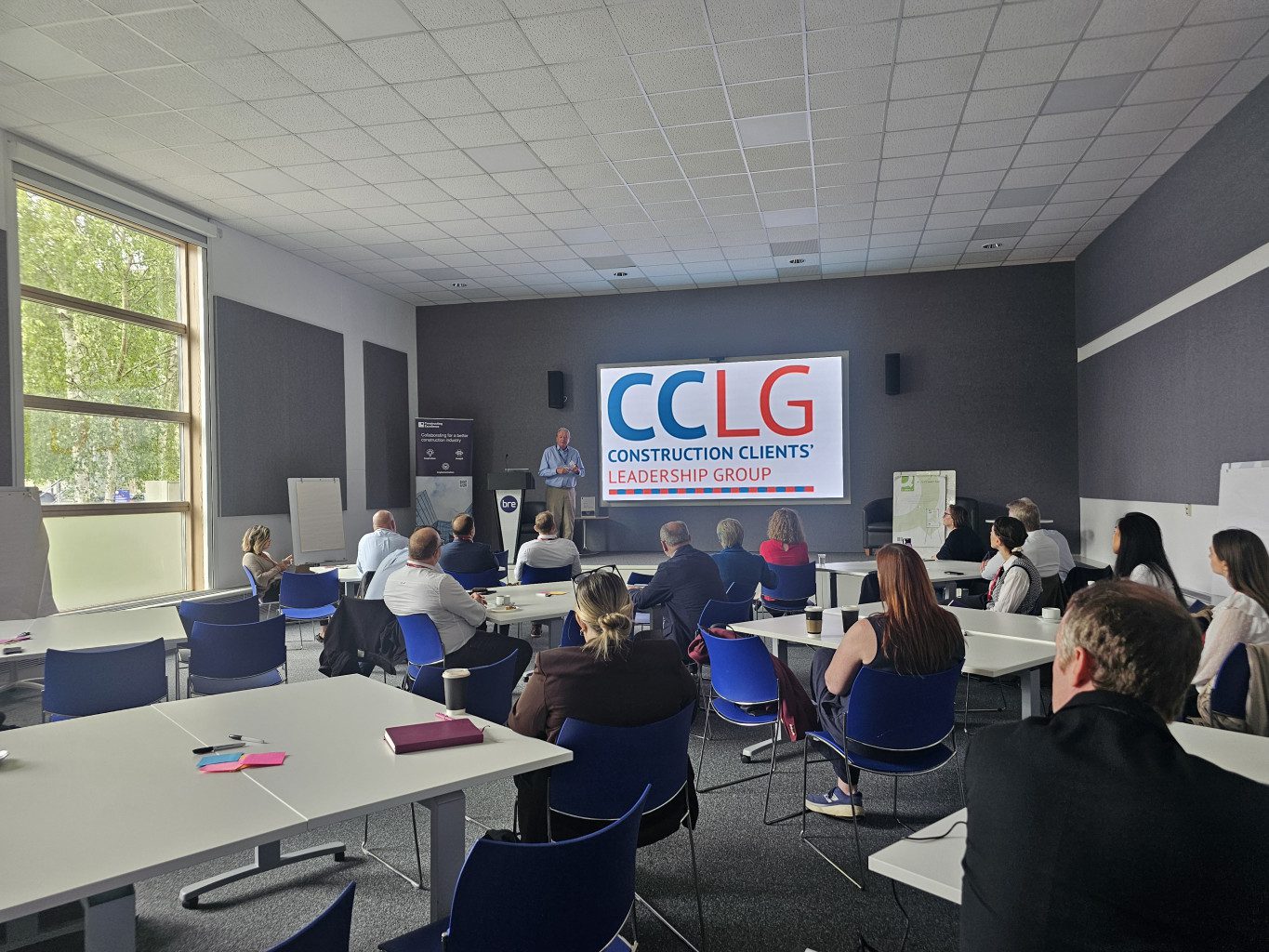
Constructing Excellence welcomed the Construction Clients’ Leadership Group (CCLG) to BRE Science Park in Watford this week for an event focused on client leadership, collaboration and the future of the built environment.
The event provided an opportunity to thank Gren Tipper and Gary O’Brien for their longstanding leadership in building CCLG into a respected forum for progressive clients committed to driving excellence. It also marked the start of a new chapter, with Constructing Excellence looking forward to supporting the group and helping it grow within the wider movement.
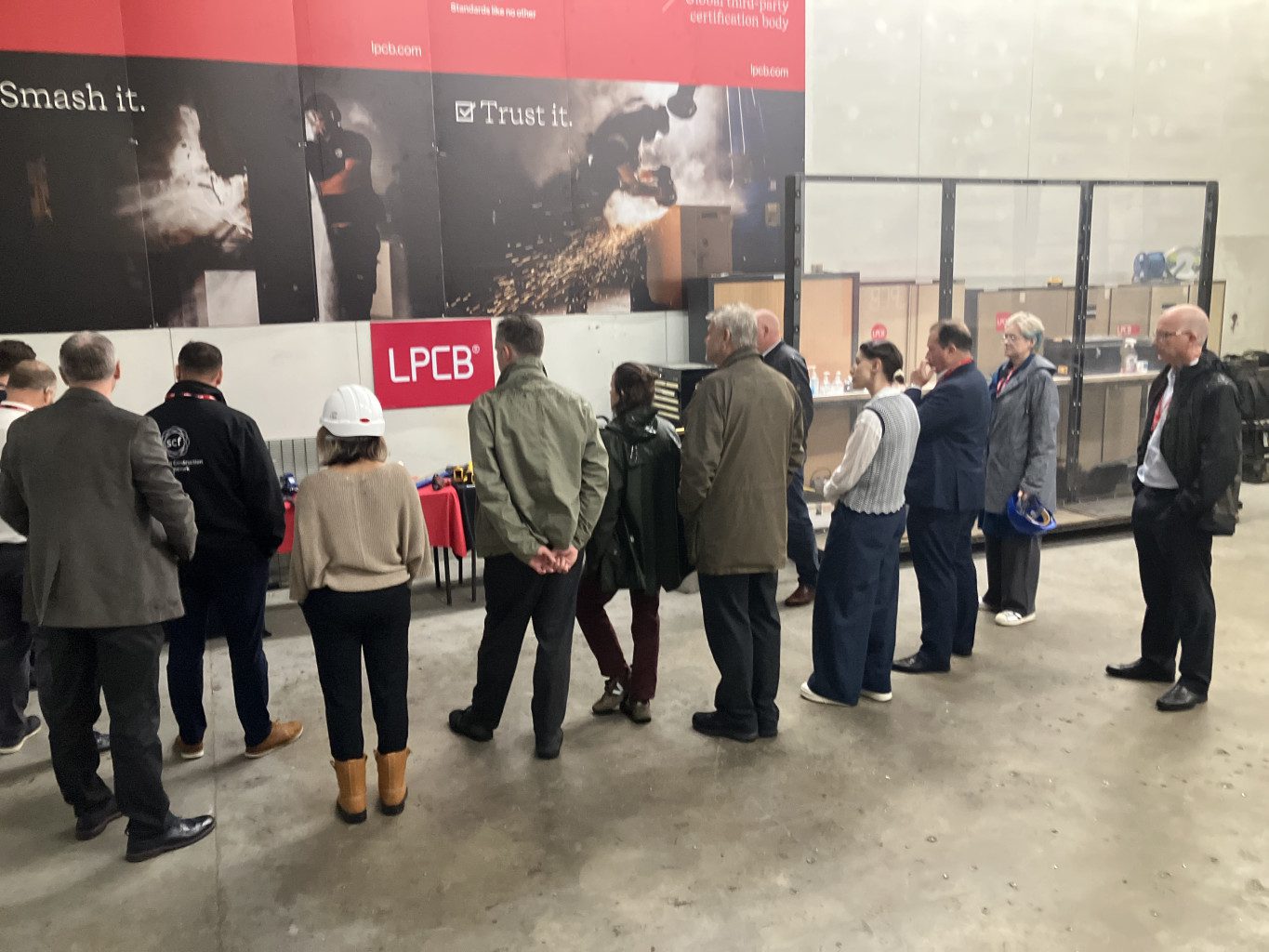
James Fisher, Head of Strategic Partnerships at BRE, gave an engaging overview of BRE’s evolution from helping address the post-war housing challenge to becoming a leading centre for building science focused on securing the long-term value, performance and resilience of the built environment. Delegates also visited BRE’s laboratories, including the LPCB physical security laboratory, structures laboratory and fire laboratory, where research and testing continue to underpin a safer and more resilient built environment.
The group also heard from Claire Falck of BRANZ in New Zealand, who shared perspectives on how built environment research and testing is being delivered internationally. Her contribution highlighted both the similarities and differences between New Zealand and the UK, particularly at a time when New Zealand is moving through a more deregulatory environment while the UK is strengthening regulatory oversight across the built environment.
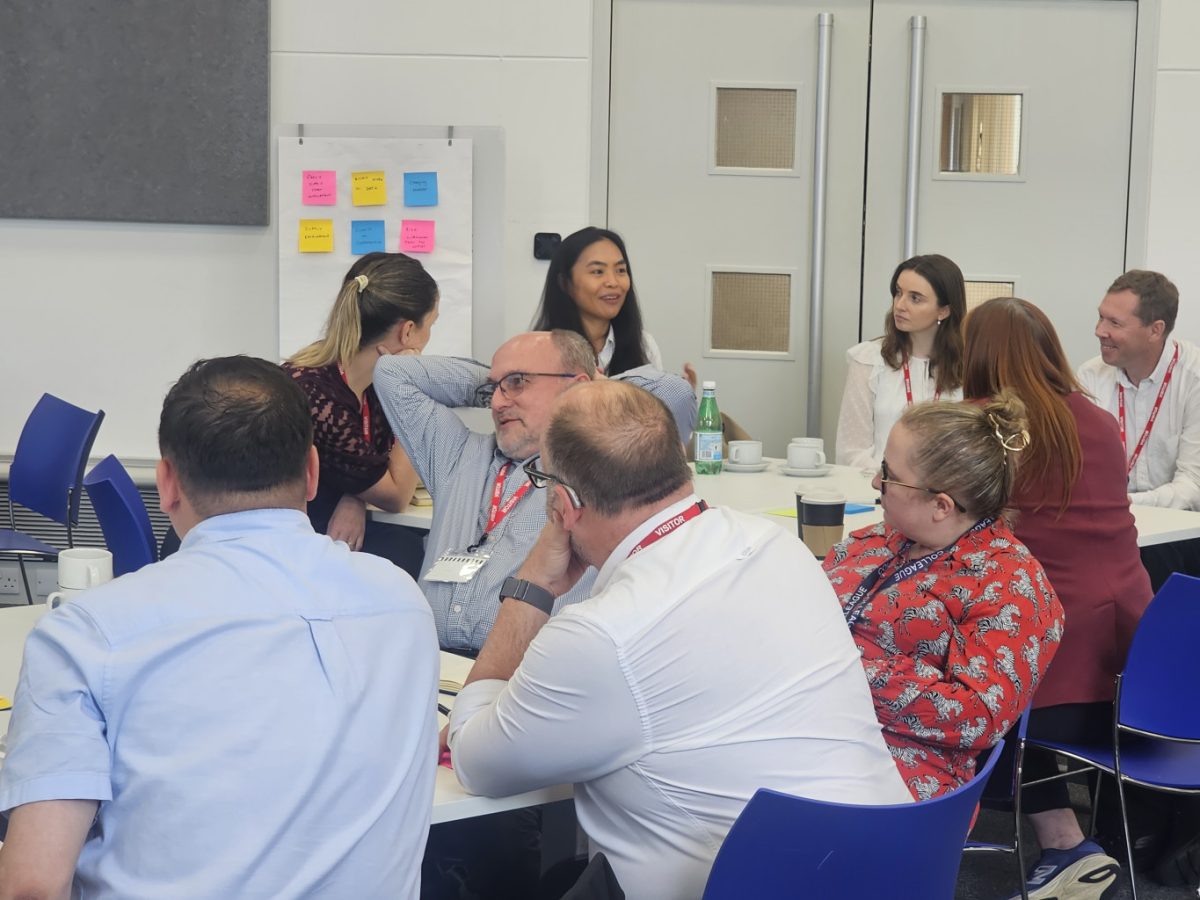
A workshop led by Lucy Howard of Turner & Townsend and Alison Nicholl then explored a central question for the sector: what does good client leadership really look like in practice?
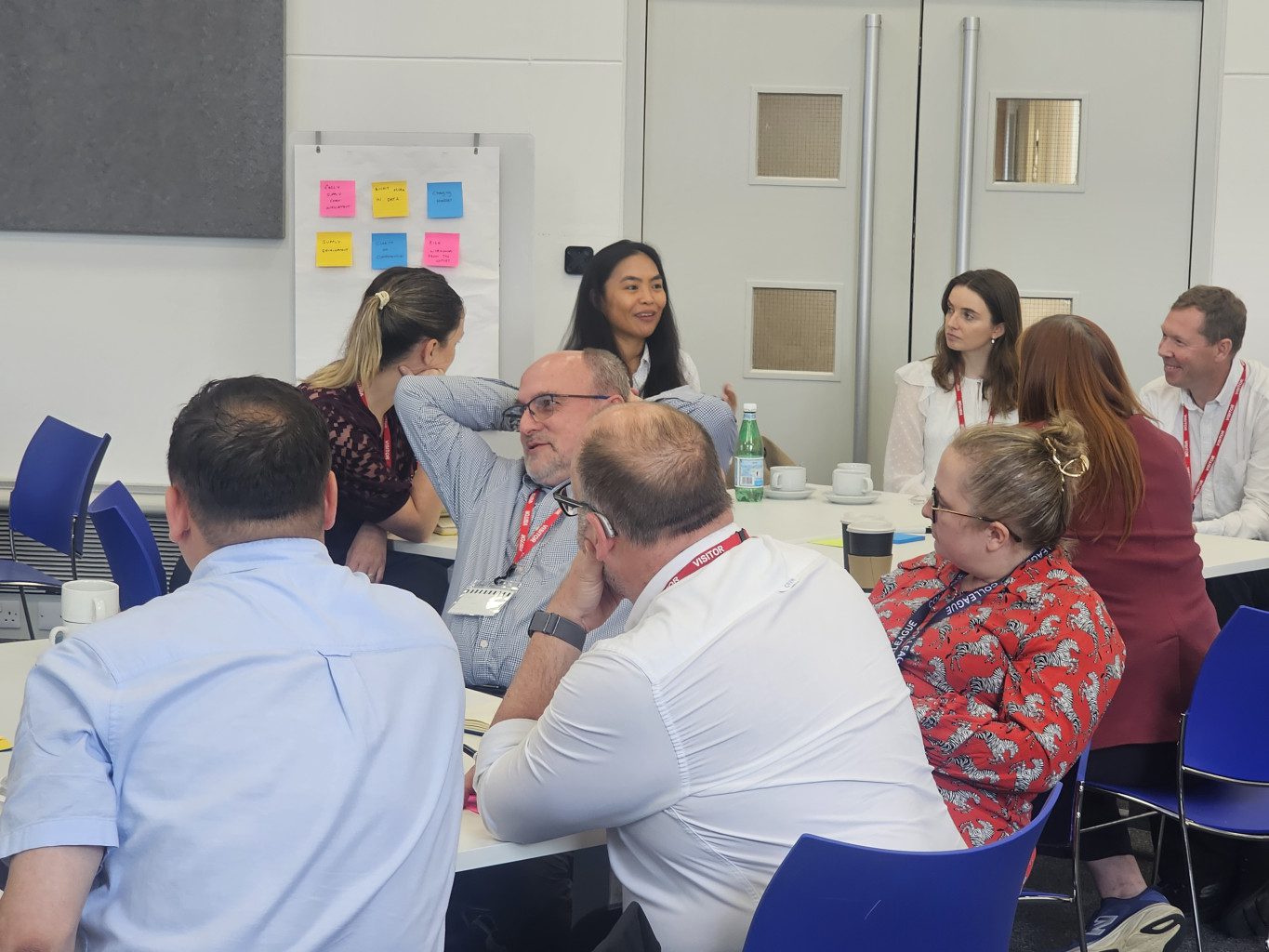
The discussion made clear that strong client leadership is collaborative, informed and values-driven. It is built on trust, clear communication and shared purpose, and it uses influence responsibly to deliver better outcomes not only for individual projects, but for the wider industry too.
Key themes from the discussion
- Good client leadership is relational rather than transactional, with partnership, mutual respect and shared success at its heart.
- Communication is about more than sharing information; it creates the conditions for collaboration, trust, transparency and alignment.
- Clients should set direction and provide clarity of purpose, not simply approve decisions or release funding.
- Effective leaders are knowledgeable, commercially aware and capable of making informed decisions in complex market conditions.
- Procurement and commercial power must be used responsibly to support better outcomes, fairer risk allocation and healthier long-term relationships.
- Strong client leadership is outward-looking, progressive and focused on improving the wider system as well as individual projects.
Practical actions for clients
- Be realistic and honest about what can be delivered within time, budget and resource constraints.
- Elevate the status of technical excellence and create environments where curiosity and constructive challenge are welcomed.
- Use commercial mechanisms to encourage the right behaviours and outcomes, including fair payment practices and transparent risk allocation.
- Apply systems thinking, bring the right expertise in early and involve supply chain partners and specialists at the right stage.
- Invest in collaboration and communication skills so that data and information are shared in ways that support better decision-making.
- Focus first on outcomes, purpose and people before moving too quickly to solutions.
- Plan for volatility and change rather than assuming the operating environment will remain stable.
Constructing Excellence looks forward to working closely with the Construction Clients’ Leadership Group and its wider client community to strengthen client leadership, promote better outcomes and support a more collaborative, capable and resilient built environment.