
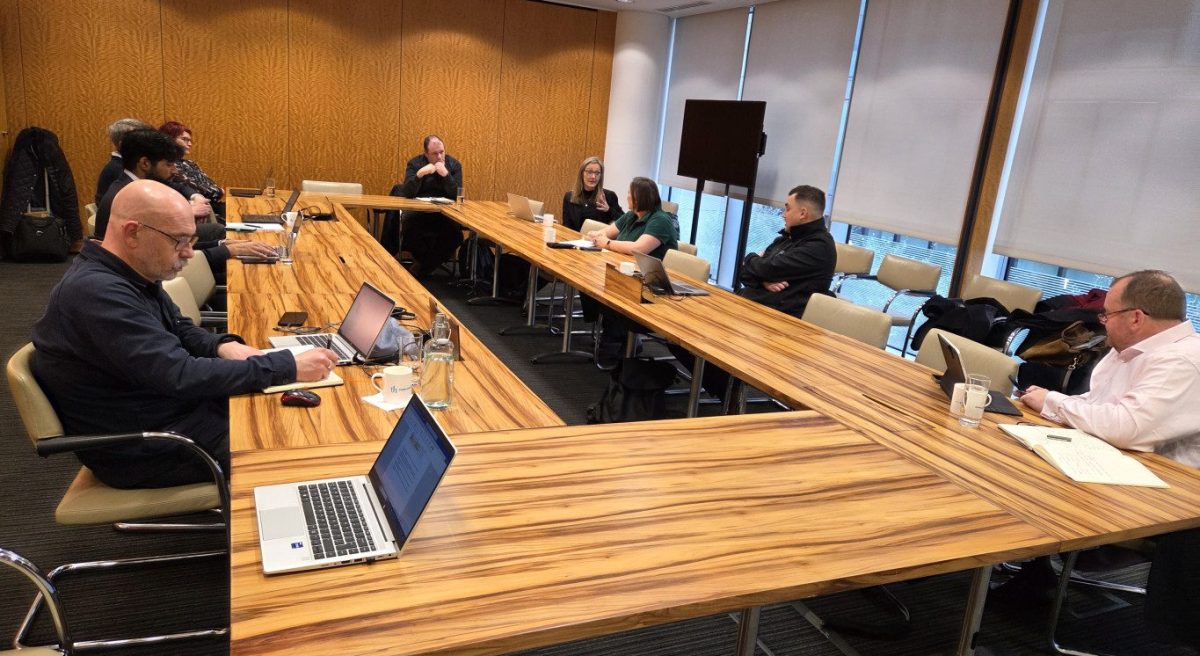
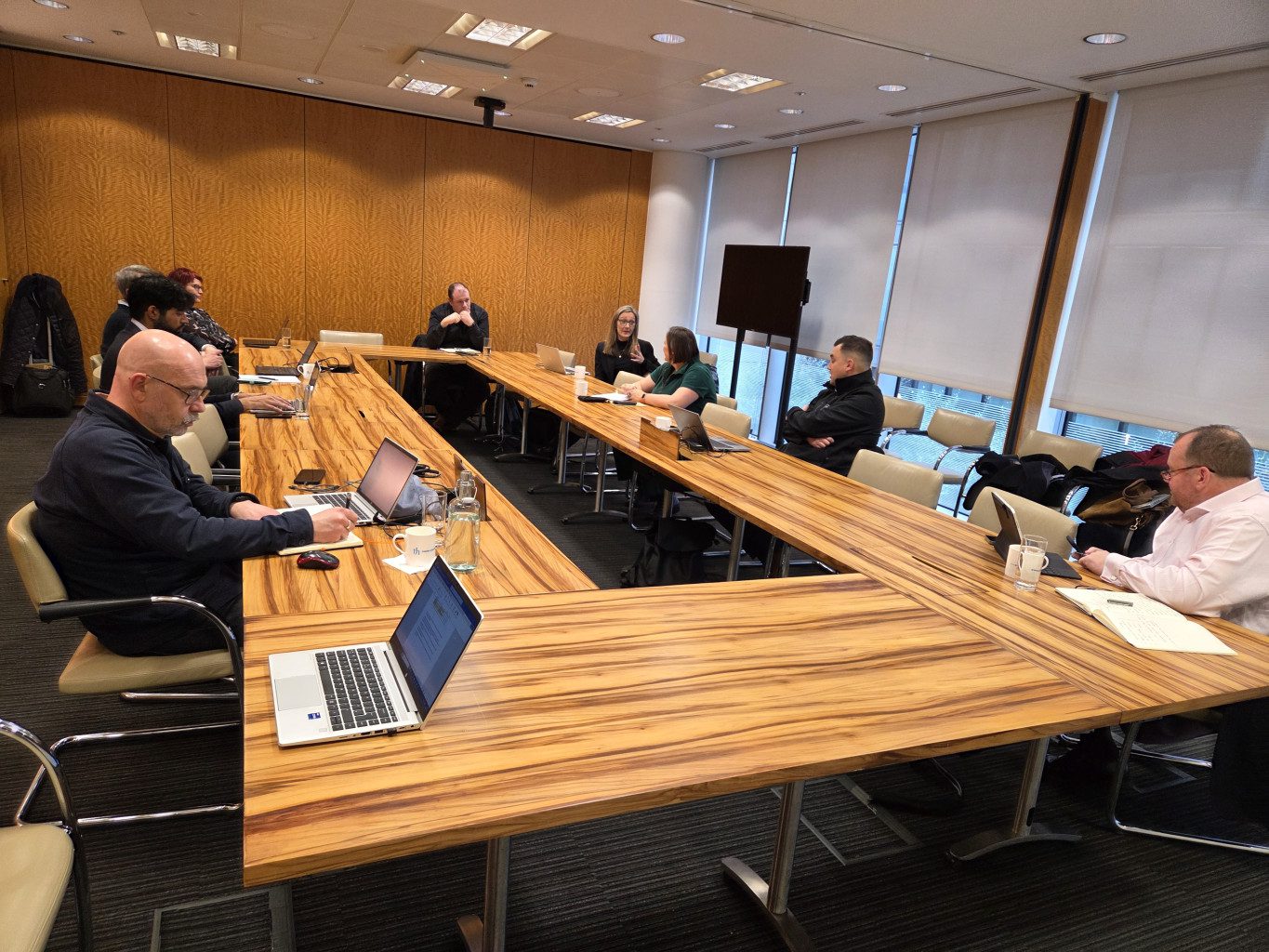
On 4 February, Constructing Excellence brought together professions from across the construction industry for an insightful and honest roundtable exploring the realities of Procurement Reform and the opportunities—and challenges—shaping how the new Procurement Act lands in practice.
The session highlighted a series of recurrent themes: behavioural change, structural misalignment, clarity gaps, and the industry’s ongoing struggle to embed value-based approaches.
Why Reform? Understanding the Drivers
Participants began by exploring why procurement reform was needed in the first place.
Many agreed that while the previous regulations weren’t fundamentally broken, they rarely encouraged the right behaviours. The new Act has been positioned as an economic lever—yet its potential impact depends less on the words in legislation and more on how organisations choose to apply them.
Key reflections included:
- Behaviours over bureaucracy: Organisations already acting transparently, collaborating well, paying fairly, and embedding social value should see minimal disruption. Those not doing so may feel the greatest impact.
- Transparency and collaboration must sit at the core: Procurement should be a two‑way engagement between client, contractor and supply chain—not a compliance exercise.
A missed opportunity for deeper reform: Despite ambitions to differentiate from EU directives, legacy issues such as unclear framework rules have not been fully addressed.
Will the Act Drive Real Change? Slowly, but Possibly
Overall, the group felt that transformational change will take time.
Right now, most clients are in compliance mode—updating documents and processes—instead of exploring how to use the Act to enable fundamentally better practice. Several challenges surfaced:
- A dual‑system transition period means clients and suppliers are operating under both old and new regulations.
- A gap between training and lived experience is causing uncertainty; practical examples are only now beginning to emerge.
- Frameworks not aligned with the Act risk allowing pre‑existing behaviours to continue unchallenged.
The consensus: The Act is prompting conversations that weren’t happening before—even if it isn’t yet prompting change at scale.
Disconnects in Policy, Practice, and Perception
A major theme was the mismatch between:
- the Cabinet Office’s intention
- political assumptions about how procurement works, and
- the realities experienced by practitioners.
Participants described:
- Conflicts of interest and structural misalignment, with central government promoting transparency and consistency while local government faces entirely different operational realities.
- A political layer removed from practical detail, leading to misunderstandings about what the Act can (and cannot) achieve.
- The Act being designed around major capital spend, creating a poor fit for small‑scale projects such as schools or minor works.
This disconnect risks limiting the Act’s value unless industry voices can better influence policymakers.
Data, KPIs, and the Quest for Consistency
One strong message: data must be meaningful, not burdensome.
- Frameworks often impose different KPIs, tools, and reporting approaches—creating inconsistency and unnecessary workload.
- KPIs should drive behaviours and actionable insights, not become a collection exercise.
- A consistent sector‑wide set of measures could help—though differing framework needs make wholesale alignment difficult.
Participants suggested CE could help by developing and promoting an industry‑recognised KPI set that members can adopt and champion.
Technical Competition and Supply Chain Realities
Early contractor involvement and open dialogue with supply chain partners is widely recognised as beneficial. Yet competitive pressures still shape behaviours.
Key challenges raised:
- Supply chain partners struggle to be candid when they know their input is being scored.
- Transparent, trust‑based environments can unlock richer insights—especially if feedback mechanisms can be anonymised.
- Clients need the right in‑house capability to run technical competitions effectively; otherwise, decisions default to cost‑driven measures rather than value-based ones.
A particularly strong message: we need everyone around the table early, and the contractual environment must support transparency and aligned incentives—including a more open conversation around profit.
Pipelines, Profit, and the Role of Business Models
Participants highlighted ongoing structural challenges:
- Many clients hesitate to share future pipelines—even when long-term plans (e.g., 30‑year programmes) exist.
- National pipeline data is too high-level to be useful in the commercial lifecycle.
- Profit remains a “dirty word,” yet predictable, fair profit is essential for sustainable delivery.
The example of PPC contract structures—where profit is ringfenced—was raised as a positive behavioural lever, incentivising timely delivery and reducing adversarial behaviours.
Social Value: A System That Still Isn’t Working
Perhaps the most passionate part of the conversation centred on the misalignment, inconsistency, and burden around social value.
Key concerns included:
- Inherent value is not recognised—SMEs often contribute substantial social value but can’t evidence it at contract level.
- Tool proliferation makes comparison meaningless, with metrics varying widely.
- Hyperlocal context matters, but central directives often ignore this.
- Social value is still a tick‑box exercise, rarely monitored throughout delivery.
The group felt strongly that social value should be a contract condition, not a tender differentiator, to encourage meaningful, long‑term impact.
The Value Toolkit was highlighted as a vital resource to help clients understand what value truly means—and how to define outcomes before engaging the market.
What’s Next for Industry?
The roundtable highlighted clear opportunities for Constructing Excellence and the wider sector to support procurement reform in practice:
- Strengthen Local Influence: Help members—especially local authorities—understand how they can shape procurement, challenge poor practice, and engage supply chains more effectively.
- Share Practical Case Studies: Promote real examples of transparent behaviours, contract management, and value-led delivery to accelerate learning across the industry.
- Support Consistency in KPIs and Value Metrics: Work towards an industry-recognised, streamlined set of measures that focus on actionable insights rather than data burden.
- Engage National Decision‑Makers: Represent industry experiences to ministers and the Cabinet Office to help close the gap between policy intent and on-the-ground realities.
- Promote Whole‑Lifecycle Value: Champion tools such as the Value Toolkit to help clients define and embed value from the outset, ensuring outcomes—not outputs—drive procurement decisions.
In Summary
The Procurement Act may not yet be the transformative force many hoped for—but it has opened the door to long‑overdue conversations about behaviours, transparency, social value, and value-based decision-making.
The message from the roundtable was clear:
Tools alone won’t deliver change—people and behaviours will.
Get Involved
This session was the last in a series of Procurement roundtables, hosted by the Constructing Excellence Procurement Group. To get involved with future events, sign up via our events page.